Football News
Ballon d’Or 2026: The Race for Football’s Greatest Individual Honour

Ballon d’Or 2026: The Race for Football’s Greatest Individual Honour Reaches Its Defining Moment
The wait is almost over for football fans as the 2026 Ballon d’Or ceremony brings the world’s biggest stars together in London for one of the most anticipated nights on the football calendar.
For players, the award represents more than individual recognition. It reflects a season of performances, decisive goals, memorable victories and the ability to influence football at the highest level. For supporters, it is an opportunity to debate which player truly stood above the rest.
The 70th edition of the Ballon d’Or takes place at the London Palladium on Monday, 26 October 2026, marking the first time the ceremony has been held in London. The award was established in 1956, making this year’s event a celebration of seven decades of football history.
More Than Goals: What Makes a Ballon d’Or Winner?
Scoring goals is one of football’s most visible achievements, but the Ballon d’Or conversation extends beyond the numbers on a scoreboard.
A forward may attract attention through remarkable finishing, while a midfielder can influence matches through creativity, control and intelligent movement. Defenders and goalkeepers also have their own cases to make through consistency, leadership and performances that determine the outcome of important games.
The challenge is deciding how these contributions compare. Should a player who wins major trophies have an advantage over someone who produces extraordinary individual performances for a less successful team?
That question remains central to almost every Ballon d’Or debate.
The Stars Under the Spotlight
Several leading footballers enter the conversation surrounding the 2026 award, including Kylian Mbappé, Lamine Yamal, Harry Kane and Erling Haaland.
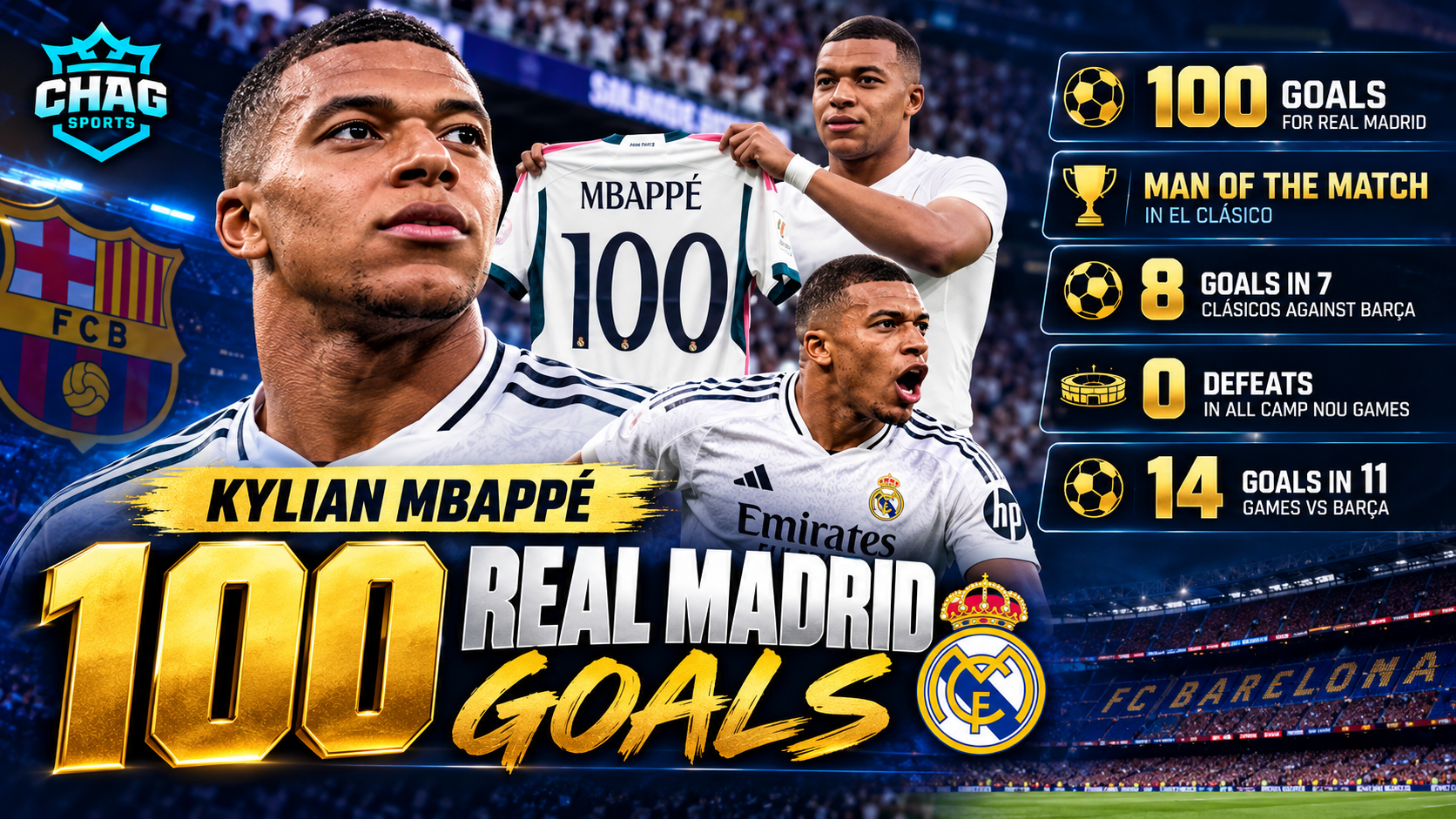
Mbappé’s reputation has been built on explosive attacking play, speed and an ability to deliver in high-pressure situations. His performances at club level and on the international stage continue to make him one of football’s most closely watched superstars.
Yamal represents the extraordinary influence of a new generation. His creativity, confidence in one-on-one situations and ability to change the direction of an attack have established him as a major figure in European football.
Kane offers a different profile. His goalscoring consistency, movement and contribution to his team’s attacking structure make him a compelling candidate whenever individual honours are discussed.
Haaland, meanwhile, continues to command attention because of his physical presence and instinctive finishing. His ability to turn opportunities into goals makes him one of the most dangerous strikers in the modern game.
Their inclusion in the wider conversation illustrates how different styles can compete for the same individual honour.
Does Team Success Decide Everything?
One of the most persistent arguments surrounding the Ballon d’Or is the relationship between individual excellence and collective achievement.
Football is a team sport, and major trophies can strengthen a player's case considerably. Success in domestic leagues and continental competitions often provides the defining moments that voters remember.
However, individual awards also invite a different assessment. A player may deliver outstanding performances throughout a difficult season without collecting the biggest team trophies. Another may enjoy considerable success within a powerful squad.
Determining which achievement deserves greater recognition is rarely straightforward. The most compelling cases usually combine individual quality, consistency and meaningful contributions when the pressure is greatest.
A Celebration of Football’s Wider Influence
The Ballon d’Or ceremony is not limited to the men's main award. The event also recognises achievements across women's football, emerging young talent, goalkeeping, coaching and club football.
These categories are important because football excellence takes many forms. Developing young players, organising a successful team and producing outstanding performances in goal all contribute to the sport's growth.
The ceremony also gives recognition to individuals whose work extends beyond the pitch through the Sócrates Award, which highlights solidarity initiatives and social causes.
London Hosts a Historic Edition
The decision to stage the 2026 ceremony in London gives this edition additional significance.
The location pays tribute to Stanley Matthews, who became the inaugural Ballon d’Or winner in 1956. Seventy years later, the award returns to England's capital for a ceremony celebrating the history, evolution and global reach of the game.
From the legendary winners of earlier generations to today's international superstars, the Ballon d’Or has remained a major reference point in discussions about individual greatness.
The Verdict Awaits
Ultimately, the Ballon d’Or is about deciding which player made the strongest overall case during the relevant evaluation period. Goals, creativity, consistency, major performances and collective success all contribute to that discussion.
The 2026 ceremony will settle this year's debate and add another name to the award's distinguished history.
Whatever the final outcome, the night offers a reminder that football greatness cannot always be measured by one statistic or one trophy. It is built through performances that capture attention, influence matches and leave a lasting impression on the sport.